How to Choose the Right Scrub Cap for Long Hospital Shifts
Ask any nurse or surgeon what they reach for first before an OT shift, and most won't say the scrub top—they'll say the cap.
It's the one piece of your uniform that you have to wear for eight, ten, or sometimes even twelve hours straight, without fail, enduring your sweat and constant hand-washes. Yet scrub caps are usually the last things healthcare professionals consider when building their work wardrobe.
If you've ever finished your shift with a headache caused by an elastic band that was too tight, or you've been readjusting it constantly during your shift, this guide is for you. Here's how to choose a scrub cap that will endure your hard work.
Why the Right Scrub Cap Matters More Than You Think
A scrub cap isn't just about hygiene compliance, though covering your hair is non-negotiable in most clinical settings. The right cap also affects:
- Comfort over long shifts—a poorly fitted cap causes tension headaches and constant fidgeting
- Infection control—loose-fitting caps that let hair strands escape defeat the purpose entirely
- Confidence and identity—many doctors and nurses now treat their cap as a small form of self-expression on an otherwise uniform-heavy day
- Practicality—caps with sweat-wicking or breathable fabric hold up far better in Indian hospital environments where OT rooms run warm
Types of Scrub Caps and Who They Suit
Bouffants provide a generous amount of head coverage, are loose-fitting, and typically voluminous in style. This type of cap is preferred by people with thick or long hair since it can be worn comfortably in a short period of time between procedures, but it may also appear too spacious for some patients.
Tie-back caps are made with adjustable fabric straps, which allow a tight and personal fit, and provide an additional feature of being secured during a demanding surgical procedure without slipping. However, they require more time to be tied compared to other types of hair coverings.
Skull caps are the tightest and most low-profiled of all caps, and they are usually worn with short hair. Such hair coverings are preferred by healthcare professionals who frequently wear surgical masks or loupes and find bouffants or tie-back caps too large and uncomfortable under those accessories.
What to Look for Before You Buy
1. Fabric that breathes. Cotton and cotton-blend caps are the most forgiving for Indian climates and long shifts — they absorb sweat instead of trapping heat against your scalp.
2. A fit that doesn't need constant adjusting. Whether you prefer elastic or tie-back, the cap should feel secure without leaving a red mark on your forehead by hour four.
3. Enough coverage for your hair length. Don't force long or thick hair into a fitted skull cap — it will slip. Match the cap style to how much hair it actually needs to hold.
4. Machine washability. Scrub caps get washed as often as the rest of your uniform, so the fabric and stitching need to survive repeated hot washes without losing shape.
5. A little personality, if you want it. Plain solids are always safe for formal hospital dress codes, but many departments now allow prints and quirky patterns, especially for OT and paediatric wards where a fun cap can ease patient anxiety.
Building a Cap Rotation That Works
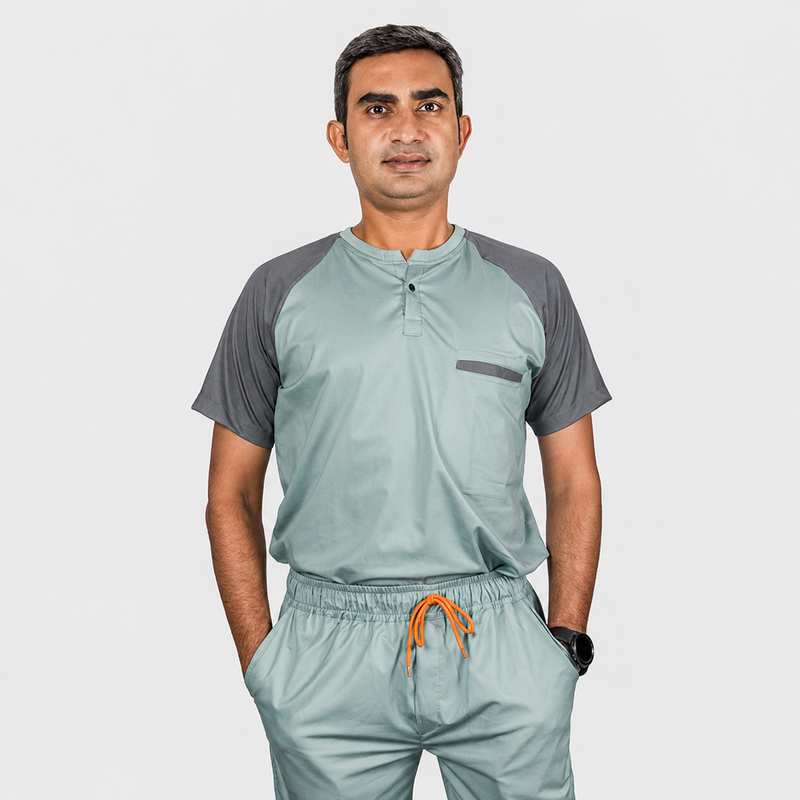
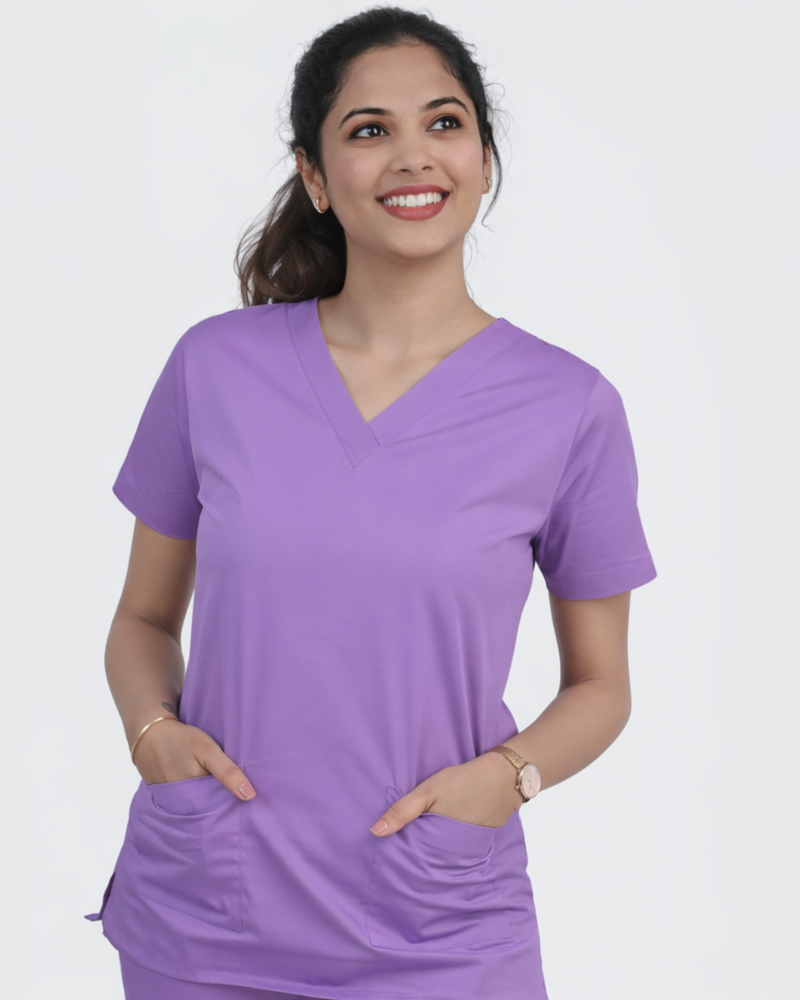
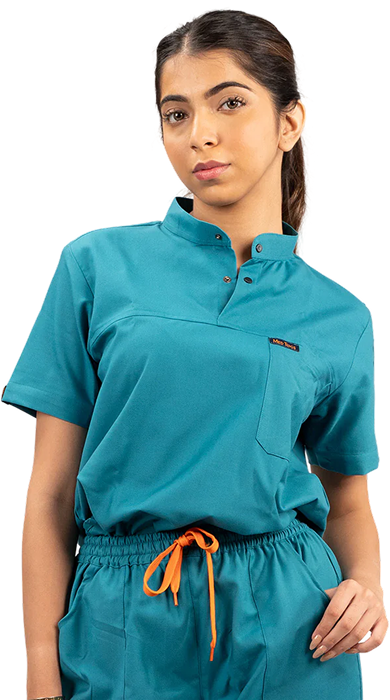
Most healthcare professionals can do fine with 4-5 caps in rotation, rather than just a couple or only one. This way you'll never have to rummage frantically through the laundry for a clean cap before your shift, and they should have enough time in between to air out and keep their shape. Pair your caps with well-fitted scrubs for women or scrubs for men in the same color family for a coordinated, professional look on the floor.
A scrub cap, it seems, is a small thing. But over the course of a 12-hour shift, the wrong one can make all the difference. In comfort, in hygiene, and in the sheer confidence that comes with knowing you're prepared to take on the day. Invest in a few different styles before rotating in to find your fit, and don't be afraid to mix and match until you find something that will see you through hour six without complaint.
Looking for scrub caps that combine breathable fabric with a fit that lasts the full shift? Explore MedTogs' range designed specifically for Indian hospital conditions.
Frequently Asked Questions
What is a scrub cap used for?
A scrub cap is worn to fully cover the hair and scalp, preventing hair, sweat, and skin flakes from falling into a sterile field during surgery or patient care. It's a core part of infection control in operating theatres, ICUs, and any setting where hygiene standards are strict.
What is a scrub cap called?
Scrub caps go by several names depending on the region and setting, including surgical caps, OT caps, theatre caps, or bouffant caps (when referring to the loose, rounded style specifically). All refer to the same basic piece of headwear worn with medical scrubs.
What is the best scrub cap?
There's no single "best" cap — it depends on hair length, shift duration, and personal comfort. As a general rule, tie-back caps in breathable cotton work best for long surgeries needing a secure fit, while bouffant caps suit shorter shifts and thicker or longer hair. The best cap is really the one that stays comfortably in place for your specific shift length without needing readjustment.
Do dentists need scrub caps?
Scrub caps aren't mandatory for all dental work, but many dentists and dental assistants wear them during procedures involving aerosols, drilling, or extended chair-side time, where hair coverage reduces contamination risk. Clinics with in-house sterile procedures or oral surgery suites often follow the same cap protocols as hospital OTs.
How to wear hair under a scrub cap?
For long hair, tie it into a low, flat bun or braid first — a high bun tends to push against the cap and cause it to slip. Tuck any loose strands in fully before securing the cap, and for very thick hair, a bouffant-style cap will accommodate the extra volume better than a fitted skull cap.
How many scrub caps should I own?
Most healthcare professionals find 4–5 caps in rotation works best. It means you always have a clean one ready without over-washing a single cap, which helps the fabric and elastic last longer.
Are bouffant caps or tie-back caps better for long surgeries?
Tie-back caps are generally better for long OT sessions since the ties can be adjusted for a locked-in fit that won't loosen over several hours. Bouffant caps are quicker to put on and better suited to shorter ward shifts.
What fabric is best for scrub caps in hot, humid climates?
Cotton and cotton-blend fabrics are the most breathable choice for Indian hospital environments. They absorb sweat rather than trapping heat, which matters a lot in OT rooms that run warm.
Can I wear a printed or patterned scrub cap at work?
It depends on your hospital's dress code. Many departments, especially OT, paediatrics, and NICU, now allow prints and quirky patterns, while some formal settings still require solid colours. Check your facility's policy before switching.
How often should scrub caps be washed?
Ideally after every shift, the same as the rest of your scrub uniform. This is why having a small rotation of caps rather than just one or two makes hygiene easier to maintain.
Will a scrub cap fit over long or thick hair?
Bouffant-style caps are the better choice for long or thick hair since they offer more room. Skull caps and fitted styles are designed for shorter hair and tend to slip or feel tight on thicker, longer hair.
Do scrub caps shrink or lose shape after washing?
Lower-quality fabric and stitching can shrink or stretch out of shape after repeated hot washes. Look for caps specifically designed to be machine-washable without losing their fit.